
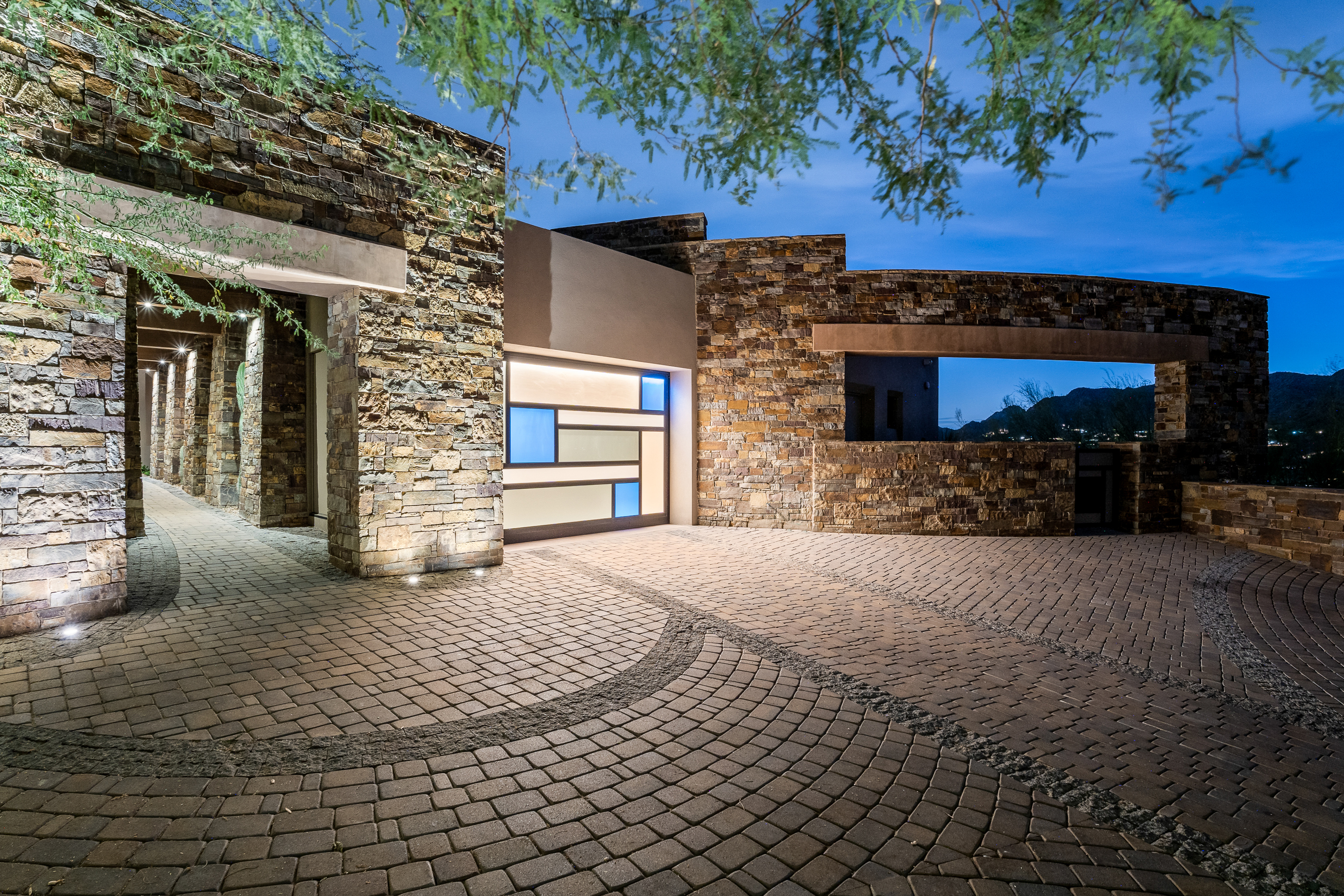
Paver Types
Choose Your Paver Material
Every material we install is chosen for the Arizona climate. Compare concrete pavers, travertine, natural stone, and porcelain side-by-side.
All Paver Types
How to Choose a Paver Material in Arizona
Four things decide the right material: what the surface has to carry, how hot it gets underfoot, how much maintenance you are willing to do, and the budget per square foot. A driveway that parks two trucks has different requirements than a pool deck people walk on barefoot in July, and the material that is right for one is usually wrong for the other. Every price below is installed cost per square foot, not material cost, and includes demo, base, sand, laying, and joint sand on a typical Valley project.
Heat is the factor homeowners underestimate. Surface temperature on a dark concrete paver in direct Phoenix sun can be thirty to forty degrees hotter than light-colored travertine sitting next to it. That is the whole reason we steer nearly every pool deck toward travertine even though it costs more than a standard paver. On a shaded side yard or a driveway you drive onto, the same premium buys you nothing.
Durability in this climate is less about the unit and more about what sits underneath it. A high-strength concrete paver on four inches of poorly compacted base will settle faster than a softer stone on a base that was built right. Material choice sets the look, the heat, and the maintenance. The base sets the lifespan.
Paver Types Compared
| Material | Installed cost | Durability | Heat underfoot | Maintenance |
|---|---|---|---|---|
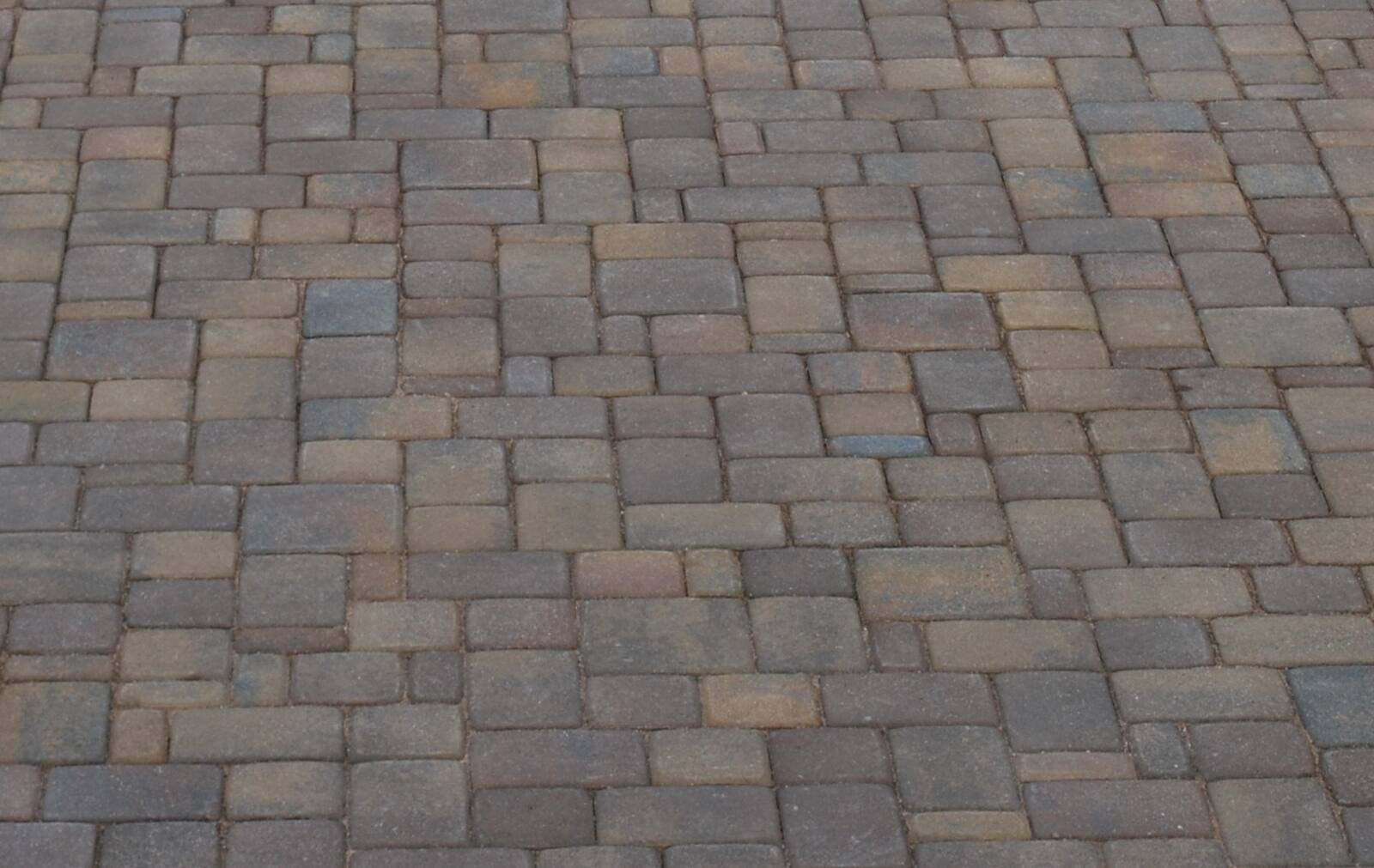
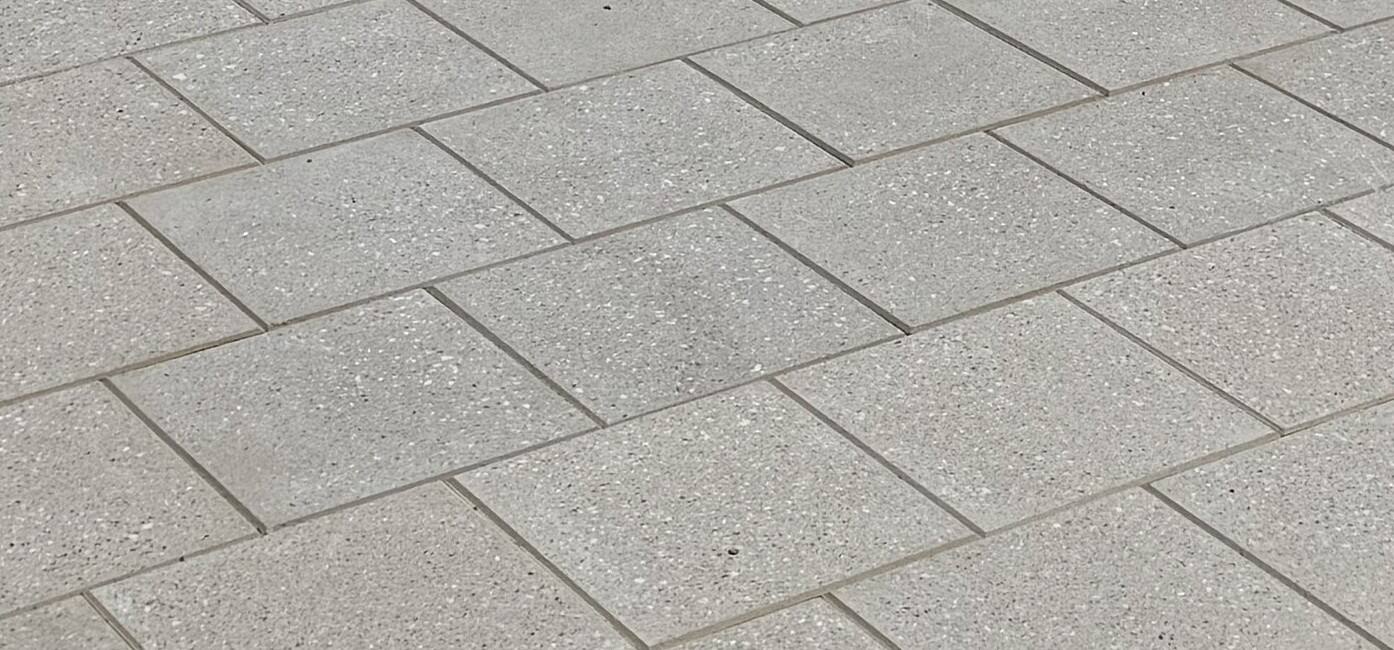
| Standard Pavers | $13–$24 / sq ft installed | Highest interlock; rated for vehicle loads and the default for driveways | Warm in direct sun; lighter blends run noticeably cooler than charcoal tones | Re-sand joints every few years; seal optional |
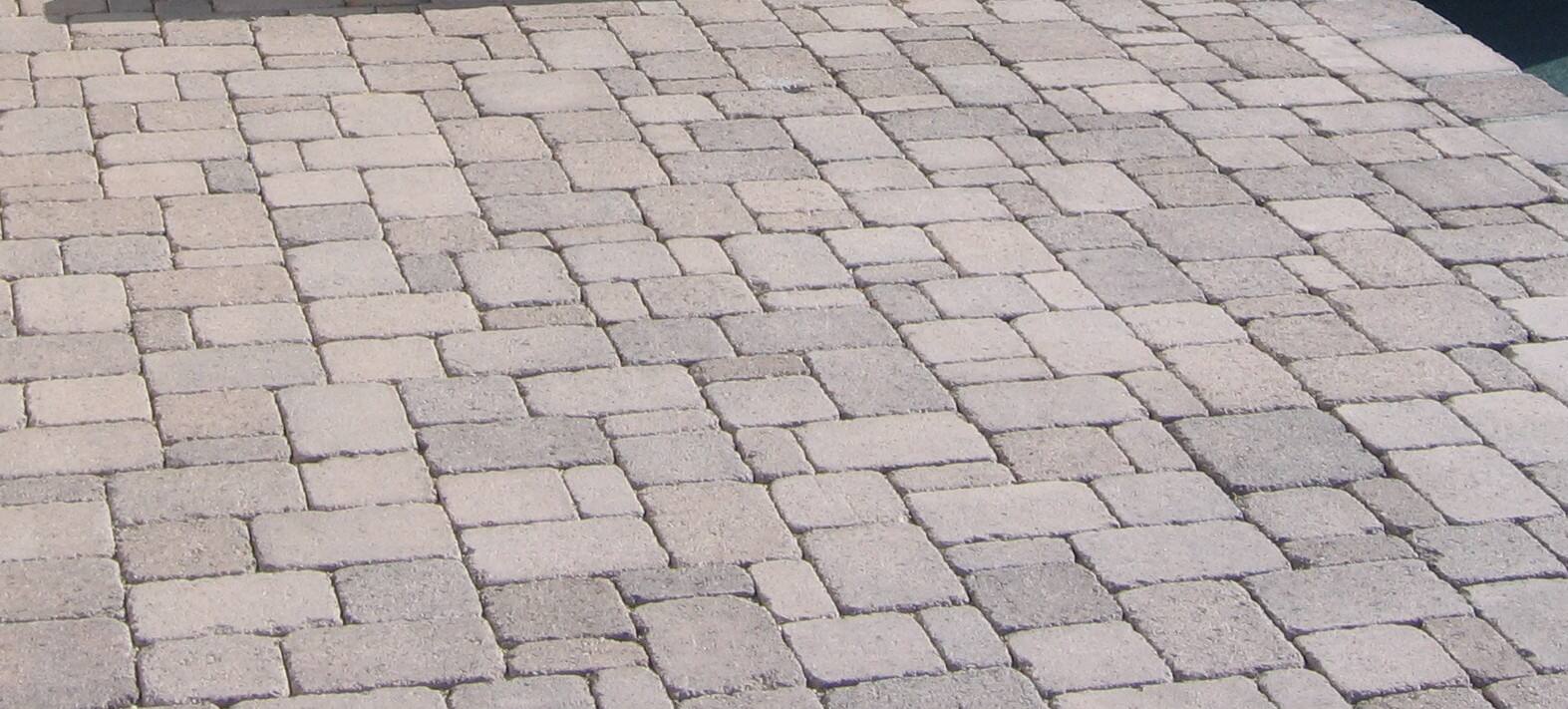
| Tumbled Pavers | $16–$24 / sq ft installed | Same concrete body as standard, softened edges; fine for patios and walkways | Similar to standard pavers; color choice drives the difference | Slightly wider joints, so expect joint sand top-ups |
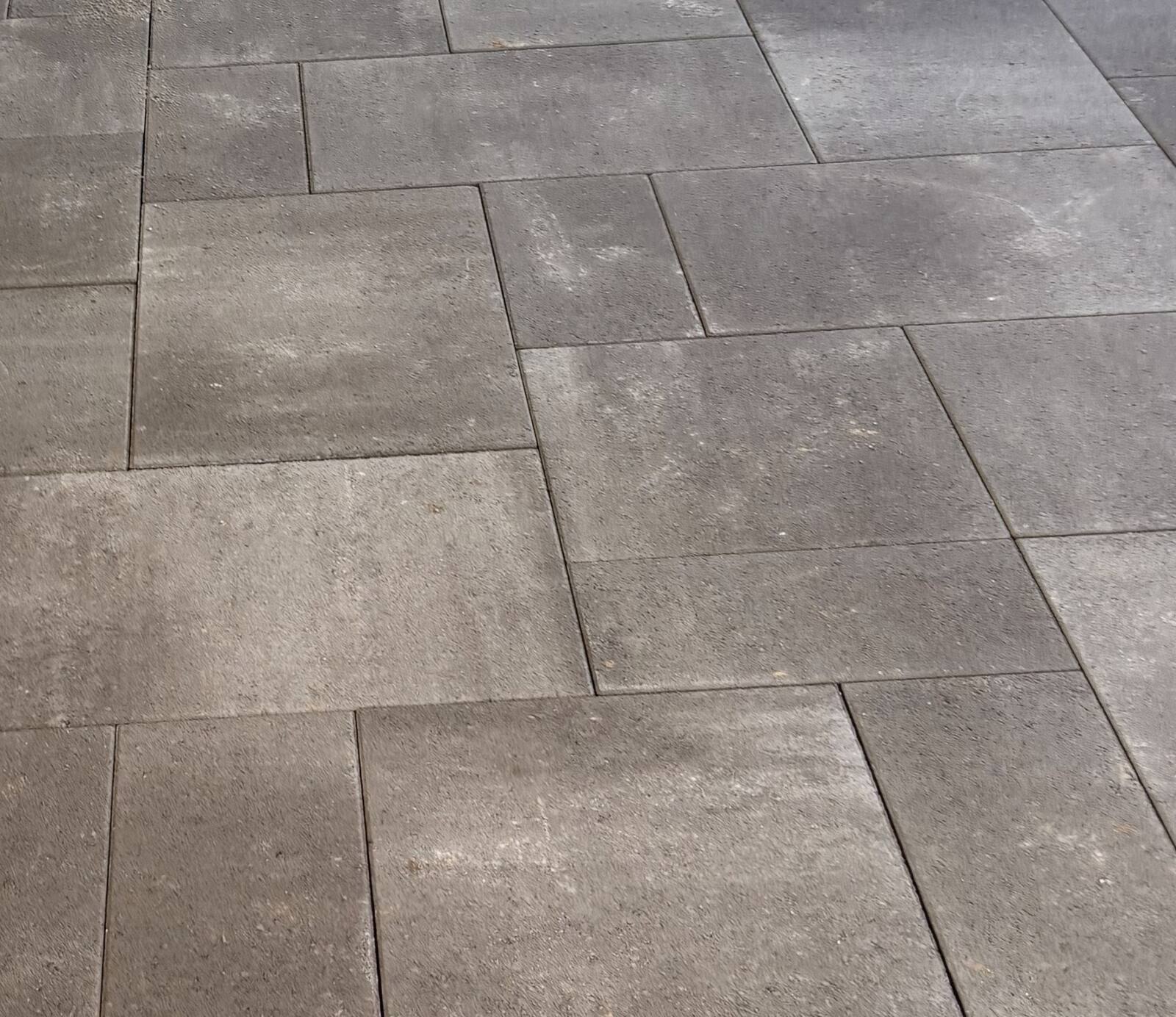
| Large Format Pavers | $18–$30 / sq ft installed | Strong on pedestrian surfaces; not our pick under vehicle traffic | Bigger surface holds heat longer; go light on color for pool-adjacent areas | Fewer joints means less sand to maintain |
| Artistic Pavers | $18–$28 / sq ft installed | Concrete body with decorative faces; patio and entry duty | Comparable to standard concrete pavers | Sealing helps keep the surface detail crisp |
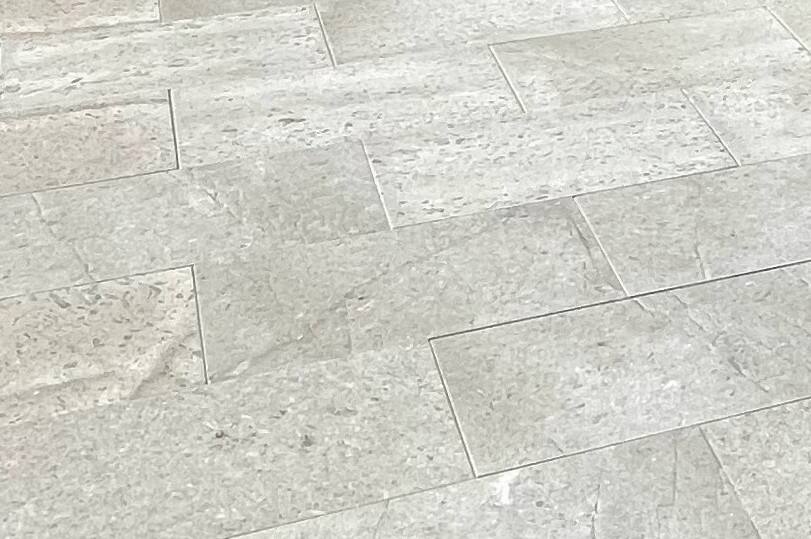
| Natural Stone | $18–$40 / sq ft installed | Very long-lived; thickness and stone type vary by lot | Depends on the stone; light flagstone stays reasonable, dark stone does not | Periodic sealing; irregular joints need attention |
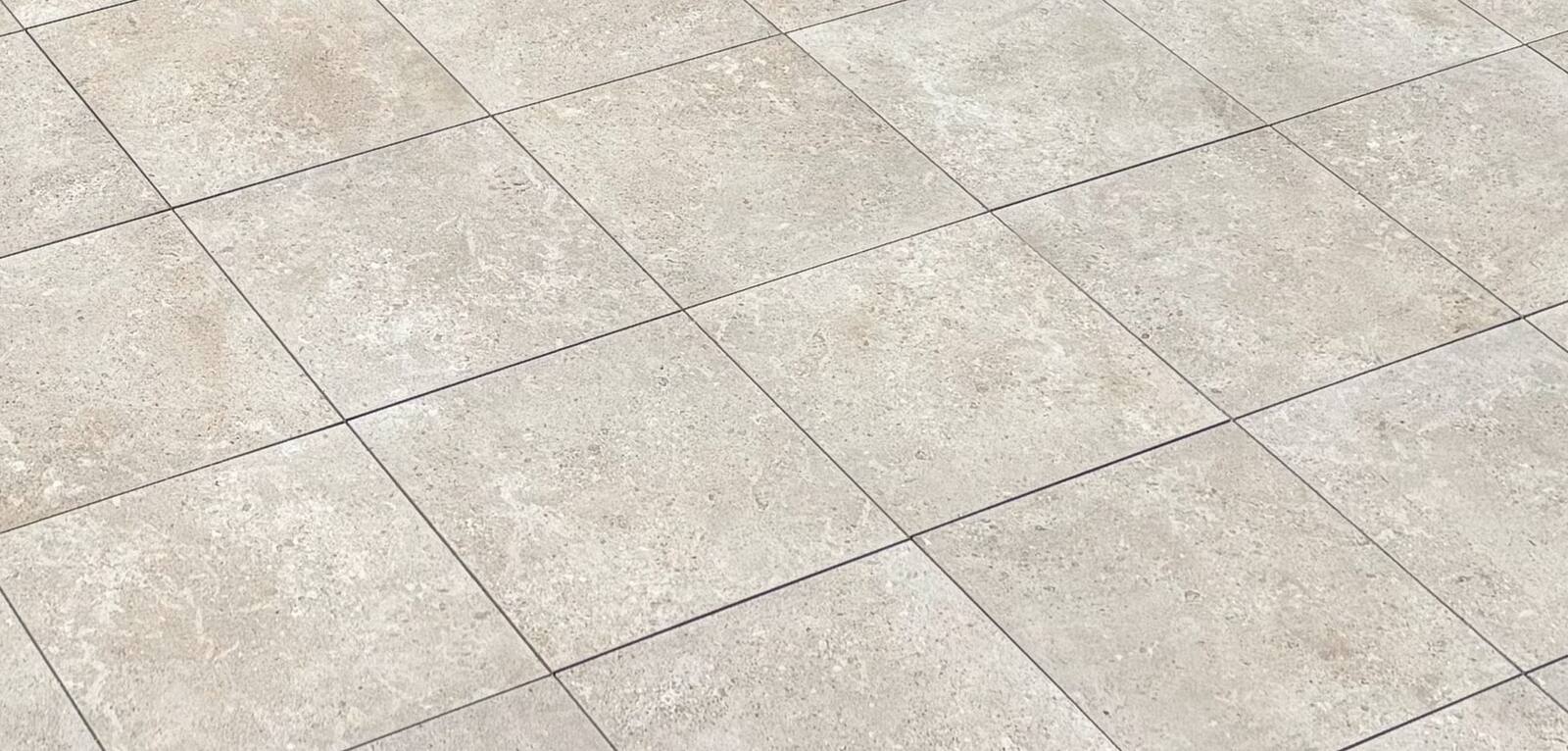
| Porcelain Pavers | $22–$38 / sq ft installed | Dense, near-zero absorption, will not fade or stain | Cooler than dark concrete, warmer than travertine | Lowest of any material; rinse and go, no sealing |
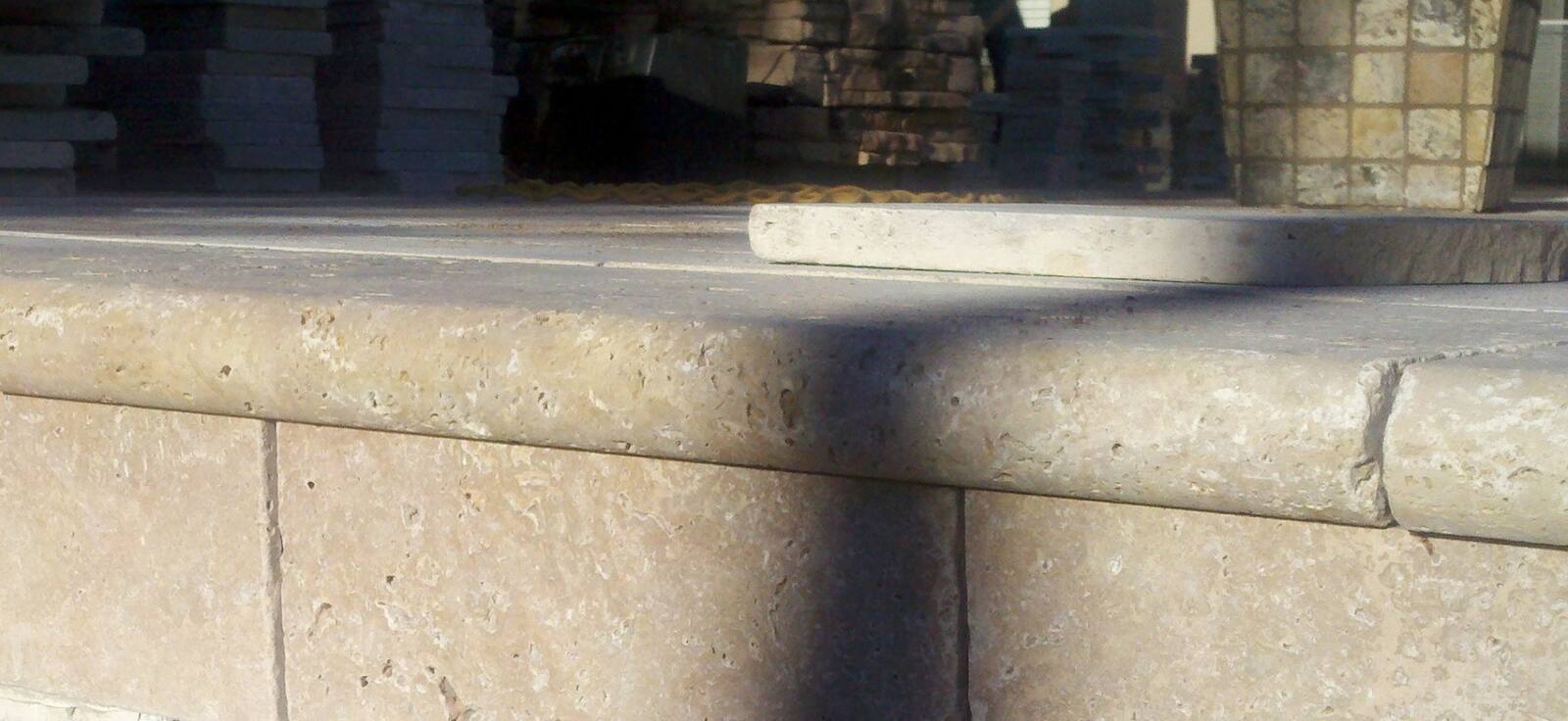
| Travertine | $20–$34 / sq ft installed | Proven on Valley pool decks for decades with a proper base | Coolest surface we install, which is why it wins on pool decks | Seal every few years; fill occasional surface pits |
Ranges are installed cost per square foot on typical Valley projects. Demo, heavy drainage work, and difficult access move the number.
What We Recommend, by Application
Pool decks. Travertine, almost every time. It stays cool barefoot, it is naturally slip-resistant when wet, and the look holds up next to any pool finish. Porcelain is the alternative when you want a modern, large-format surface with near-zero absorption. See paver pool decks.
Driveways. Standard small-format concrete pavers in herringbone. Highest interlock, best load distribution, lowest cost per square foot on a large area. Large-format units and travertine are not the right call under vehicle traffic. See paver driveways.
Patios. Widest open field. Tumbled pavers for an older, softer look, large-format for clean modern lines, travertine when the patio connects to a pool deck and you want one continuous surface. See paver patios.
Walkways. Standard or tumbled pavers keep the cost sensible on a narrow run, and the tighter joint pattern handles irrigation overspray and foot traffic without shifting. See paver walkways.
Not sure yet? Run numbers on the free estimator or check the pricing guide for a full cost breakdown by project type.