Back to the Learning Hub
    Expert Guide
    Driveways

    Paver Driveways in Arizona: Everything You Need to Know

    April 2, 2026

    This article is adapted from John Traynor's video above. The methods and opinions are John's, in his own words.

    Read the video transcript
    So, in Arizona, we do a lot of concrete paver driveways versus concrete driveways. The reason we do that a lot of times is because people like the look of them, but they also perform better. You'll be able to put in a paver driveway and it'll last 30 years. Pavers, we can get a lot of different colors, styles, so you'll get great options on how you want it to look, but again, remember it work and it'll perform very well. In the video, we're going to show you everything you ever wanted to know about pavers. So, one of the first things people ask me is how much does it cost to do a driveway? And I hate to give you the answer it depends, but it depends. We can do cost anywhere from 10,000 to 50,000 dollars depending upon your size of driveway and what you want. So, some of those cost factors, one obviously is size of the driveway. The we do driveways that are very small, 5-600 square feet all the way up to 10-12,000 square feet. So, your cost will vary there. The other thing is what's there at the moment? Is it an old concrete driveway that's broken up and we have to remove it? That can be a big cost issue as well. Is the access to the driveway good? Is it on a hill? Is it flat? Are the borders curved? Are they straight? Do you want to do different colors for the border? Do you want to do different textures for the border? So, there's a lot of things that we take into account when we go look at the driveway. So, I get the question, what is good, better, best when it comes to paver driveways? Well, good is just putting in any paver driveway. It can be a straight driveway, simple colors, straight pattern. You know, better you might want to put in some different colors on your border. You might want to do some different textures. Best, you might have curves, you might have bands going across the driveway, you might have patterns that are built in there. So, there's a lot of things we can do to make the driveway pop. So, when we go to do a driveway, one of the first things we probably have to do is grade it or excavate it. So, what's involved there is that we take the concrete down or the dirt down 7 in from top of finished grade. In Arizona, we typically put in 4 in of ABC, 1 in of concrete sand, and then the paver, giving you 7 to 8 in when when we're finished. Once we get the ABC in there, we compact it. We got it real tight, then we get the sand in, and we lay the pavers. None of what we do is rocket science, but we've got to follow simple things like grade, and so the water drains and everything works that way. We put the pavers on top, we put in our edge restraints on the side, that holds everything together, and then we compact the pavers and sweep the sand into the joints. And basically, that's how the process works, no matter what the type of paver you use. Just so you know, when we do these jobs, especially the first day we start off, it's going to be a mess. We're going to be pulling things up, we're going to find things you never thought were there. If there's a pipe sitting underneath that driveway, we're probably going to break it. Wires may get may get disturbed. So, anything bad that can happen is usually the first day. Once we get it all out, we can address all those issues. We might have to put new PVC pipe in. We might have to reattach different wires. But, that's all easy to do once we get everything out and we set the correct grade. So, when you're looking at a driveway, what are the things you want to think of? Uh color is a big thing. What color do you want? Uh I always tell people, as long as it's not blue, it really isn't going to be as important as you think it's going to be. The way it lays out, the curves that you put in there, the different pattern, whether it's a straight pattern, a running bond, or a uh random pattern, those things over time is is what you'll see more so than the color. Again, as long as it's not blue. Okay? But, when you have those options, then you might look and you say, "Well, what's the texture? Do I have a texture on top? Do I go smooth on top? Do I have a tumbled paver? Do I have a standard paver?" All of these, they'll perform the exact same way, but just aesthetically they're a little bit different. And that's up to you. It's you're going to live in the house, so you get to decide what the color is, what the texture is. We just help with that decision. I'll also get asked a lot of times, "What's the process when it comes to time? You know, if we sign today with you and say, 'Yeah, let's do this.' How long is it going to take?" Well, we call for what's called a blue stake. A blue stake covers all the utilities. They come out and they mark the utilities to tell us what's underneath there. Typically, that's about 3 days. If the material is in stock, then we have it. If it's not, it's usually 2 to 3 weeks that we can get that. But, once the process actually starts, the first day or two max is when you're doing your excavation. And once that's out, then we can start putting things back in. And that's when it becomes fun. So, we do that, we put it back in, and it'll vary. It can go anywhere from, you know, 3 4 days up to 3 4 weeks. It just depends on the size and the different complexity of what we're doing. But, the great thing is when we're finished, as soon as we pull away, you can drive in there. You don't have to wait for things to cure. It's all ready for you to start. When it comes to warranty, there's a lot of different warranties that are given by different manufacturers. They're not all the same. But, most of the time you'll get a minimum of 2 years from a a manufacturing warranty point of view. We'll give you a 10-year labor warranty. And that actually we're able to do that because we've been in business 26 years. So, we're not just making numbers up. We can give you 10 years comfortably, even though the registrar contract is here in Arizona only says you have to do a 2-year warranty. And where that's important is that a lot of people are doing things incorrectly. For instance, instead of using ABC and sand, they're using quarter minus or DG. That will fail at some stage. It's the incorrect product to be using, but they use it. We will never use that, and that's why we're able to say, "Yeah, 10 years, no problem. We'll cover that for you." When it comes to maintenance on your driveway, some people ask, "Should we seal the driveway?" And to be honest, we seal probably 5% of what we do on driveways. Uh some people like it because it gives you a wet look. I would not do a wet look in Arizona. I think it burns off, and it creates an issue and a a maintenance issue. If you're going to do a sealer, you can do a sand stabilizing sealer, which will harden the sand in the joints. And that'll last. It'll You won't see the sealer, but it'll perform for years. Other maintenance issues is if you're washing it off, you might wash the sand out of the joints. Just don't wash it directly into the joints. Okay? The sand that goes down there and holds the pavers together is underneath, but you can wash out the sand on top, and that becomes an aesthetic thing. Other than that, you should be able to walk around in your pavers and have no issues whatsoever. So, if you decided that this video is helpful and you want to go to the next step, I would encourage you to go to our estimating tool that's online there. Put in some information, some basic square footage, the type of project you have, and it'll give you a proposal. Take a look at that. Give us a call if you want to discuss it. Or if you want to come down to the office, we can show you different materials here, and we can take it from there.

    In Arizona, we install a lot of concrete paver driveways instead of poured concrete. Homeowners love the look, but pavers also perform better in our climate. A poured concrete driveway might last you 30 years if you're lucky. Pavers give you decades of life plus a huge range of colors, styles, and patterns to choose from. This guide walks through everything we get asked about paver driveways across Scottsdale and the Valley, cost, process, materials, timeline, warranty, and maintenance.

    How Much Does a Paver Driveway Cost?

    I hate this answer, but: it depends. A paver driveway in Scottsdale and the Valley typically runs anywhere from $10,000 to $50,000 depending on size and complexity.

    The biggest cost drivers:

    • Size, we do driveways from 500–600 sq ft all the way up to 10,000–12,000 sq ft.
    • What's there now, if there's an old broken concrete driveway we have to demo and haul off, that's a real cost adder.
    • Access, is the driveway on a hill or flat? Can our equipment get in easily?
    • Borders & shape, curved borders, banding, contrasting border colors, or different textures on the border all add labor and material.
    • Pattern complexity, a simple running bond costs less than custom inlays, curves, or banding across the field.

    For a real number on your project, request a quote and we'll walk it with you.

    Good, Better, Best: Driveway Design Tiers

    People always ask what "good, better, best" looks like in a paver driveway.

    • Good, straight driveway, simple single color, clean running bond pattern. Looks great, performs forever.
    • Better, add a contrasting border color, maybe a different texture on the border to frame the field.
    • Best, curves, banding across the driveway, custom patterns or inlays. This is where the driveway really pops.

    Same paver, same install quality, the design choices are what set the tiers apart.

    How We Build a Paver Driveway

    None of this is rocket science, but the fundamentals matter. Here's the process:

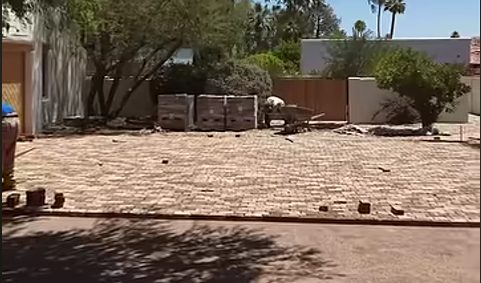
    1. Excavate / grade, we take the existing concrete or dirt down 7 inches from finished grade.
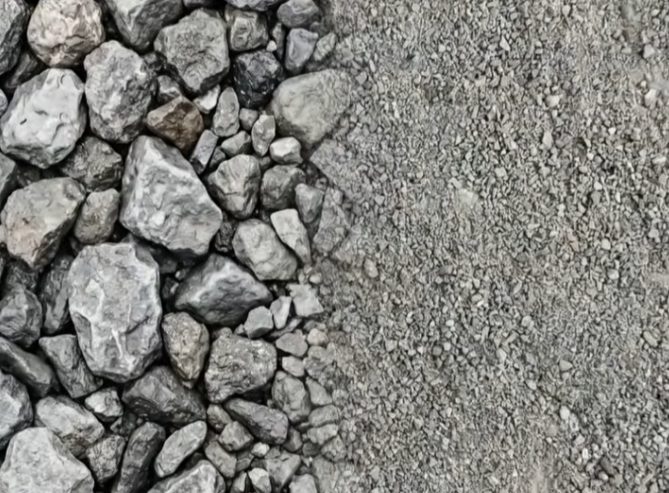
    2. Base, in Arizona we install 4 inches of ABC (aggregate base course), then 1 inch of concrete sand. Total finished depth: 7–8 inches.
    3. Compact, the ABC gets compacted tight before any sand goes down.
    4. Lay the pavers, set in your chosen pattern over the screeded sand.
    5. Edge restraints, installed along the perimeter to hold everything together.
    6. Compact and joint sand, final compaction, then sweep joint sand into the joints.

    Grade matters. Get the grade right and water drains where it should. Get it wrong and you've got problems forever.

    Heads Up: Day One Is Always a Mess

    The first day of a driveway demo is rough. We're pulling things up and finding stuff nobody knew was there. If there's a pipe under that old driveway, we'll probably break it. Wires sometimes get disturbed. Anything that can go wrong usually shows up on day one, and that's good, because once everything is exposed we can address it. New PVC, reattach wires, whatever it takes. Then we set proper grade and build it back the right way.

    Choosing Color, Pattern, and Texture

    When you're picking out a driveway, here's what to think about:

    • Color, I always tell people: as long as it's not blue, you're fine. Color matters less than people think.
    • Layout & pattern, running bond, herringbone, random, with or without curves. This is what your eye lives with day to day.
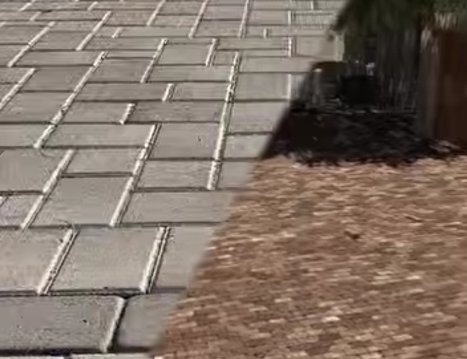
    • Texture, smooth top, tumbled paver, standard paver. They all perform identically. It's purely aesthetic, and it's your house, so you decide.

    We're here to help you decide, not to push a particular look.

    Timeline: From "Yes" to Driving On It

    Once you sign, here's roughly how it goes:

    • Blue Stake, we call in a utility locate. They mark gas, electric, water. About 3 days.
    • Material, if it's in stock, great. If not, 2–3 weeks to bring it in.
    • Excavation, 1–2 days max once we start.
    • Install, anywhere from 3–4 days to 3–4 weeks depending on size and complexity.

    The best part: as soon as we pull away, you drive on it. No waiting for anything to cure.

    Warranty

    Manufacturer warranties vary, but you'll typically get a minimum 2-year manufacturer warranty on the pavers themselves.

    Stone Creations gives you a 10-year labor warranty. We've been in business 26 years, we're not pulling that number out of thin air. The Arizona Registrar of Contractors only requires a 2-year warranty, but we're comfortable going to 10 because we use the right materials.

    Important: a lot of contractors are using quarter-minus or DG (decomposed granite) under their pavers instead of ABC and concrete sand. That will fail. It's the wrong product. We will never use it, and that's why we can stand behind 10 years.

    Maintenance: Less Than You'd Think

    Should you seal a paver driveway? Honestly, we only seal about 5% of the driveways we install.

    • Don't do a wet-look sealer in Arizona. It burns off in our sun and creates a maintenance problem.
    • If you do want to seal, use a sand stabilizing sealer. It hardens the joint sand without changing the look and lasts for years.
    • Washing the driveway, fine, just don't blast water directly into the joints. The structural sand is underneath the pavers and stays put. The joint sand on top can wash out and become an aesthetic issue.

    Other than that, walk on them, drive on them, enjoy them.

    Ready to Talk About Your Driveway?

    If this was helpful, the next step is easy. Use our online estimator to enter your basic square footage and project type and you'll get a proposal back. Give us a call to discuss it, or stop by the office and we'll show you materials in person.

    Curious what your project might cost?

    Get an instant ballpark with our free estimator tool, no contact info required.
    Use Estimator Tool

    Have a project in mind?

    Free quote, no pressure.