Why Most Paver Driveways Fail Over Time
July 17, 2026
Most paver driveways that fail do not fail because of the paver. They fail because of what is sitting under it. If the base is wrong, the best paver in the world is still going to move, rut, and dip once cars start driving on it.
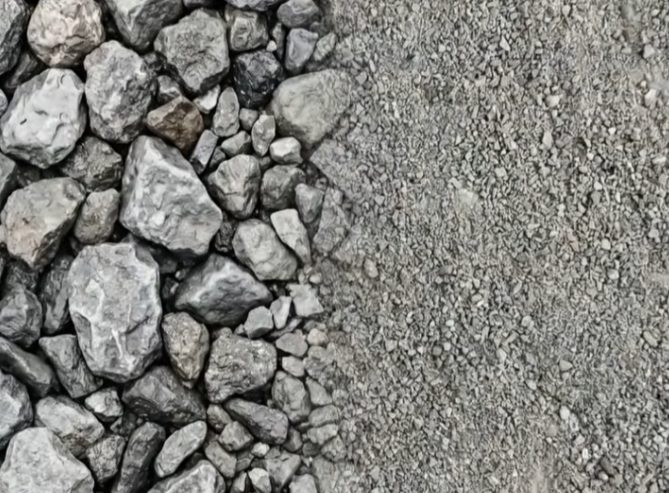
What you are looking at in the video is ABC, aggregate base course. That is the foundation of every driveway we build.
What ABC Actually Is
ABC is a crushed stone mix with a specific range of particle sizes, from larger rock down to fine dust. That mix matters. The bigger stones lock together and carry the weight, and the fines fill the gaps so the whole layer compacts into something almost like concrete. When it is installed and compacted right, you can walk on it and barely leave a footprint.
We put down 4 inches of compacted ABC under our driveways. Not loose. Compacted. That is the number people skip. Some crews will dump 4 inches of loose rock, screed it flat, and call it good. Once you compact that same rock properly, you have lost an inch or more of height, which means they never actually put down enough material in the first place.
Why Skipping the Base Is the Number One Reason Driveways Fail
A driveway carries real load. You have a vehicle sitting on four small contact patches, and every time you pull in and out, that weight is punching down into the surface. If there is nothing solid under the pavers, the sand and the pavers get pushed down into the soil below. That is where ruts come from. That is where the dips in front of a garage door come from. That is where the low spot in the middle of a driveway comes from.
The paver on top can still look fine for a while. The joints stay tight, the color holds up. But underneath, the whole thing is slowly sinking into dirt that was never built to hold a car. Once it starts, it does not stop. You end up pulling the driveway apart and rebuilding it from the ground up.
A lot of homeowners do not know to ask about the base. It is buried, so it is invisible. That is exactly why it is the easiest place for a contractor to cut cost. Skip an inch of ABC, skip the compaction pass, and nobody sees it until two years later when the driveway starts moving.
The System: ABC, Sand, and Paver
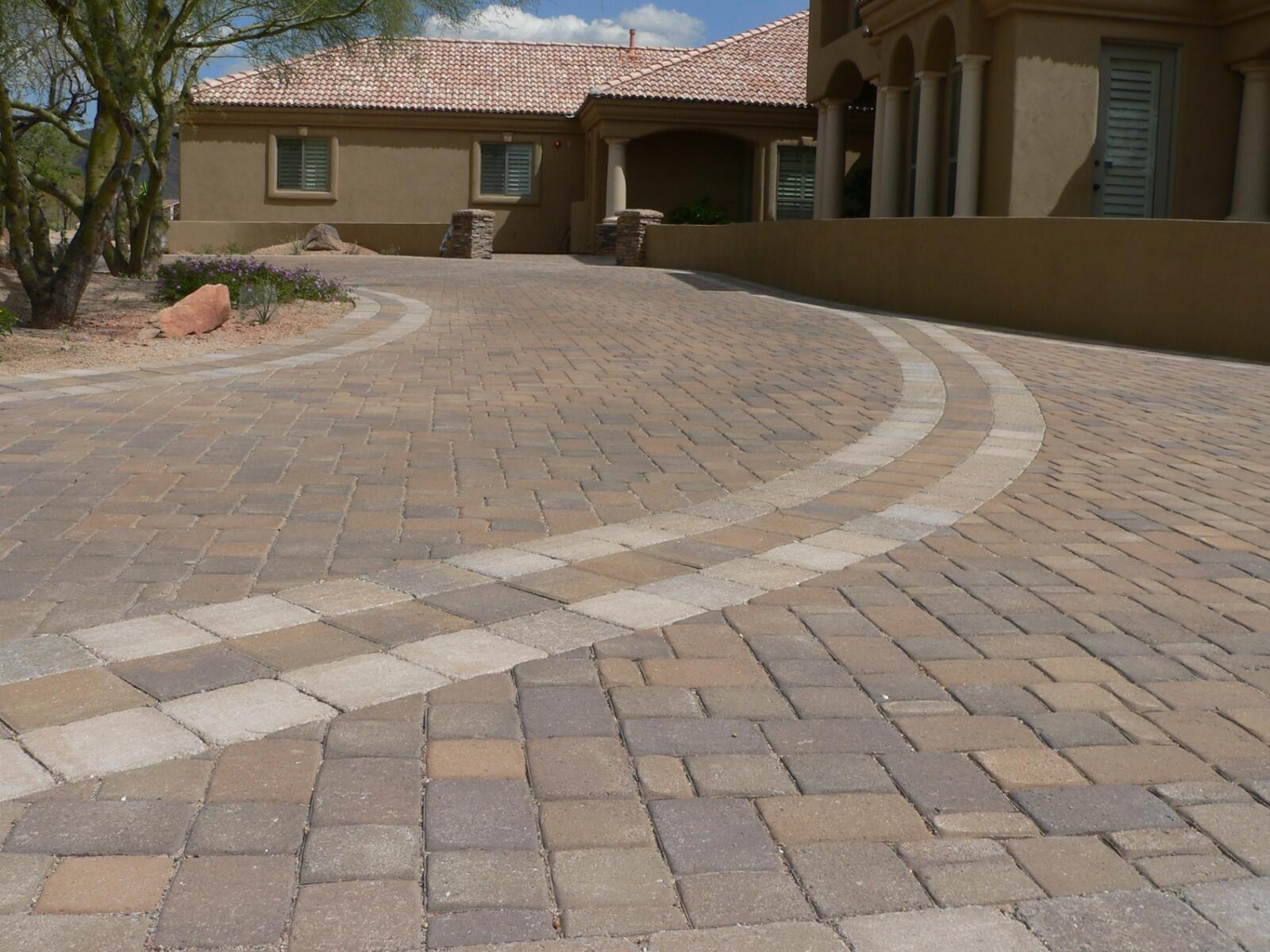
A paver driveway is a system. The paver only works if the two layers under it are doing their job.
The ABC is the structure. It spreads the load out so the soil underneath is not carrying pressure in small concentrated spots. Then a thin, consistent layer of bedding sand sits on top of the ABC. The sand is not there to hold the driveway up. It is there to give the pavers a level surface to sit on and to lock into the joints between them. Then the pavers go on top, get compacted into the sand, and get sealed with joint sand.
Each of those pieces depends on the one below it. Cheap out on the ABC and the sand cannot save you. Cheap out on the sand and the pavers rock. Cheap out on the pavers and you get chipping and staining. But of all three, the base is the one that decides whether the driveway lasts 5 years or 30.
What to Look For Before You Sign
If you are getting quotes for a paver driveway, ask exactly how many inches of ABC will be installed and whether it will be compacted in lifts. If the answer is vague, or the number is less than 4 inches, or nobody mentions compaction, you have your answer. That is the driveway that is going to fail.
The pavers on the surface get all the attention because that is what people see. The base is what decides whether it is still flat and solid a decade from now.
If you want to talk through what your driveway needs, we are happy to walk it with you and tell you honestly what we would do.
Curious what your project might cost?
Get an instant ballpark with our free estimator tool, no contact info required.